JERPON HR GUIDE
Four Jerpon HR oranges and how they differ
Jerpon HR sells four oranges from West Kalimantan: Jeruk Siam in 15 kg baskets, and Jeruk Siam Masak, Madu Super, and Madu Susu in 10 kg baskets. They differ in the character of the fruit, basket size, available grades, and the uses that make most sense. All varieties are sold by the basket, and stock of each follows the harvest.
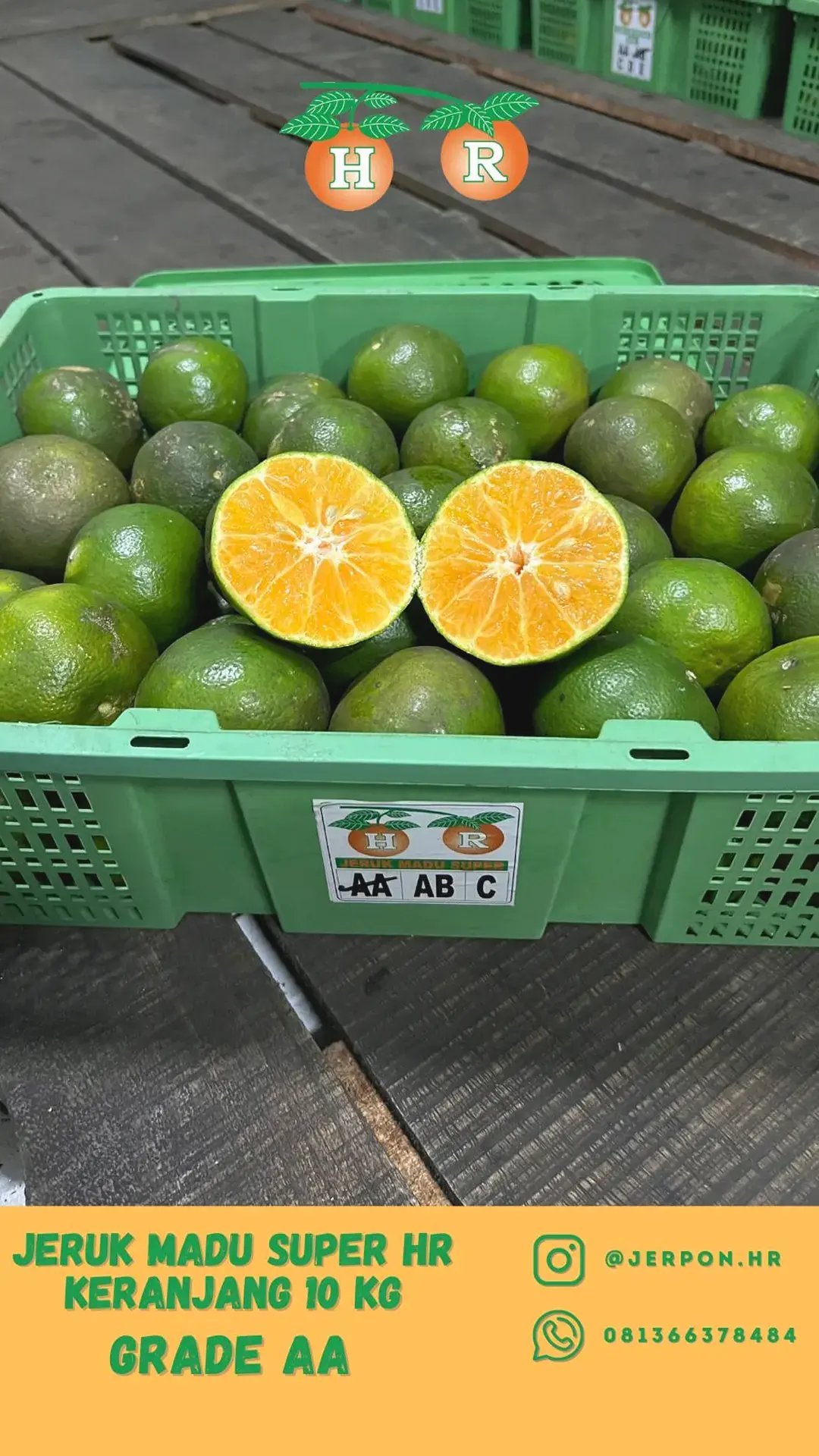
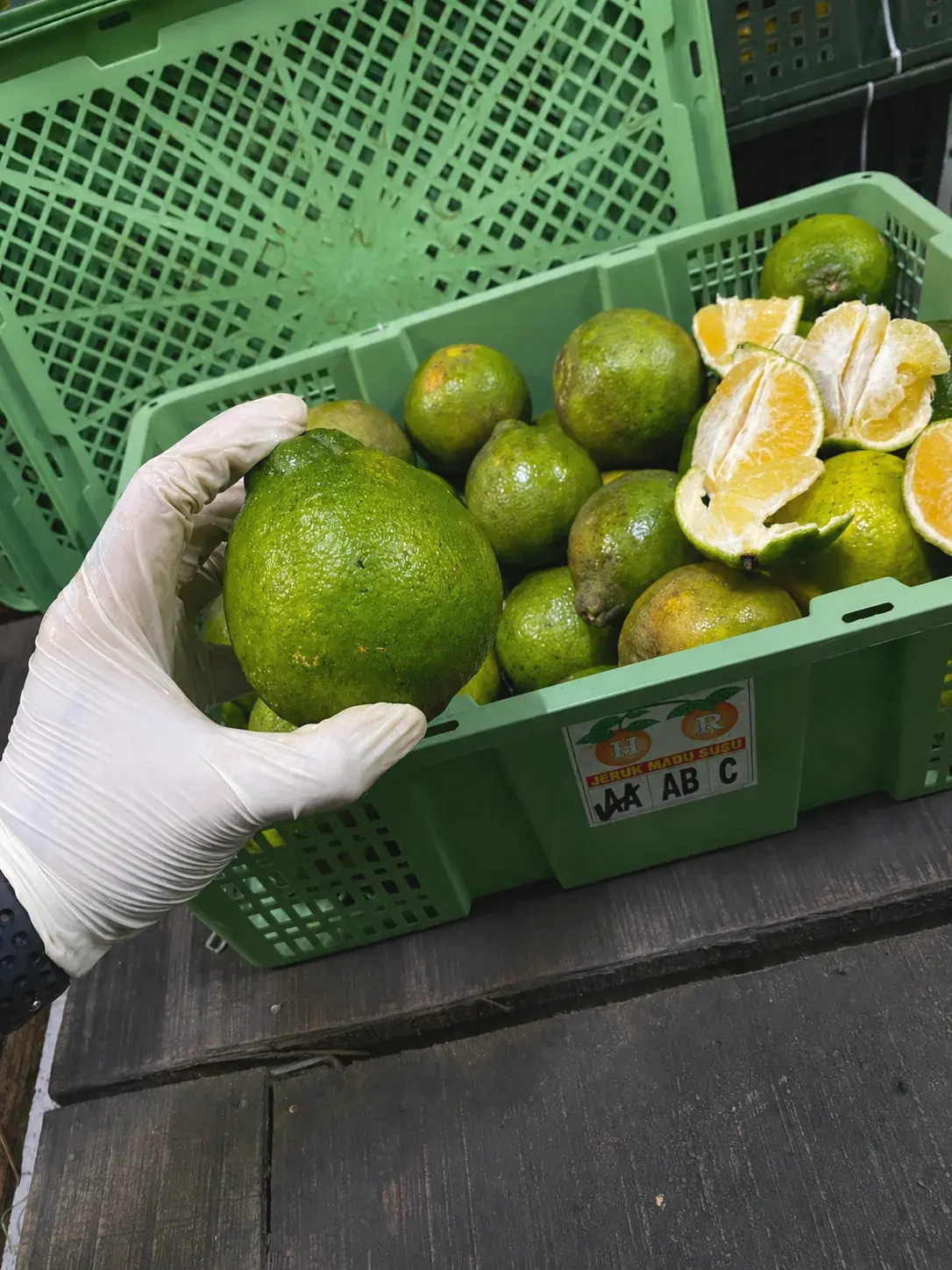
Summary in one table
| Jeruk Siam oranges | Jeruk Siam Masak oranges | Madu Super oranges | Madu Susu oranges | |
|---|---|---|---|---|
| Basket | 15 kg | 10 kg | 10 kg | 10 kg |
| Grades in the catalog | AA, AB, C, D, E | AB, C, D | AA, AB, C, D | AA, AB, C |
| Character according to the HR catalog | the widest choice of grades | ripe character, versatile | sweet and juicy | light and refreshing |
| Makes the most sense for | juice, markets, resellers, shops | home, juice, restaurant | gift hampers, restaurants, hotels, special servings | eating fresh at home, serving, hotels, restaurants |
Across all varieties, grades separate fruit by size: AA is the largest, then AB, C, D, and E is the smallest. Grade does not indicate sweetness. Explanations and photos of each grade are in the grade guide.
Jeruk Siam (15 kg basket)
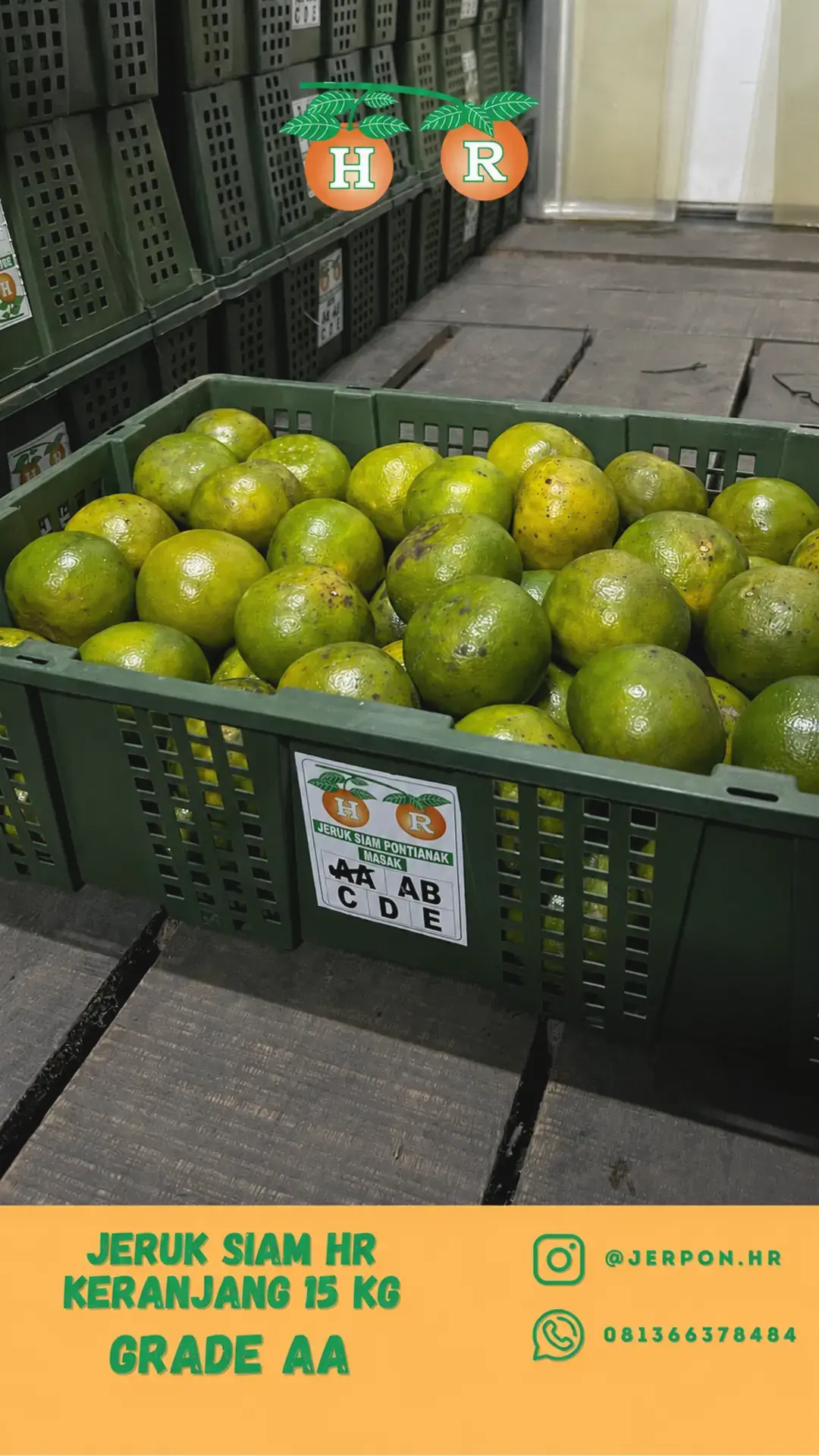
Jeruk Siam is the choice for volume. It has the largest basket and the widest range of grades, from AA to E. The Jerpon HR catalog marks it for business, juicing, and resale: juice stalls, markets, fruit shops, and resellers.
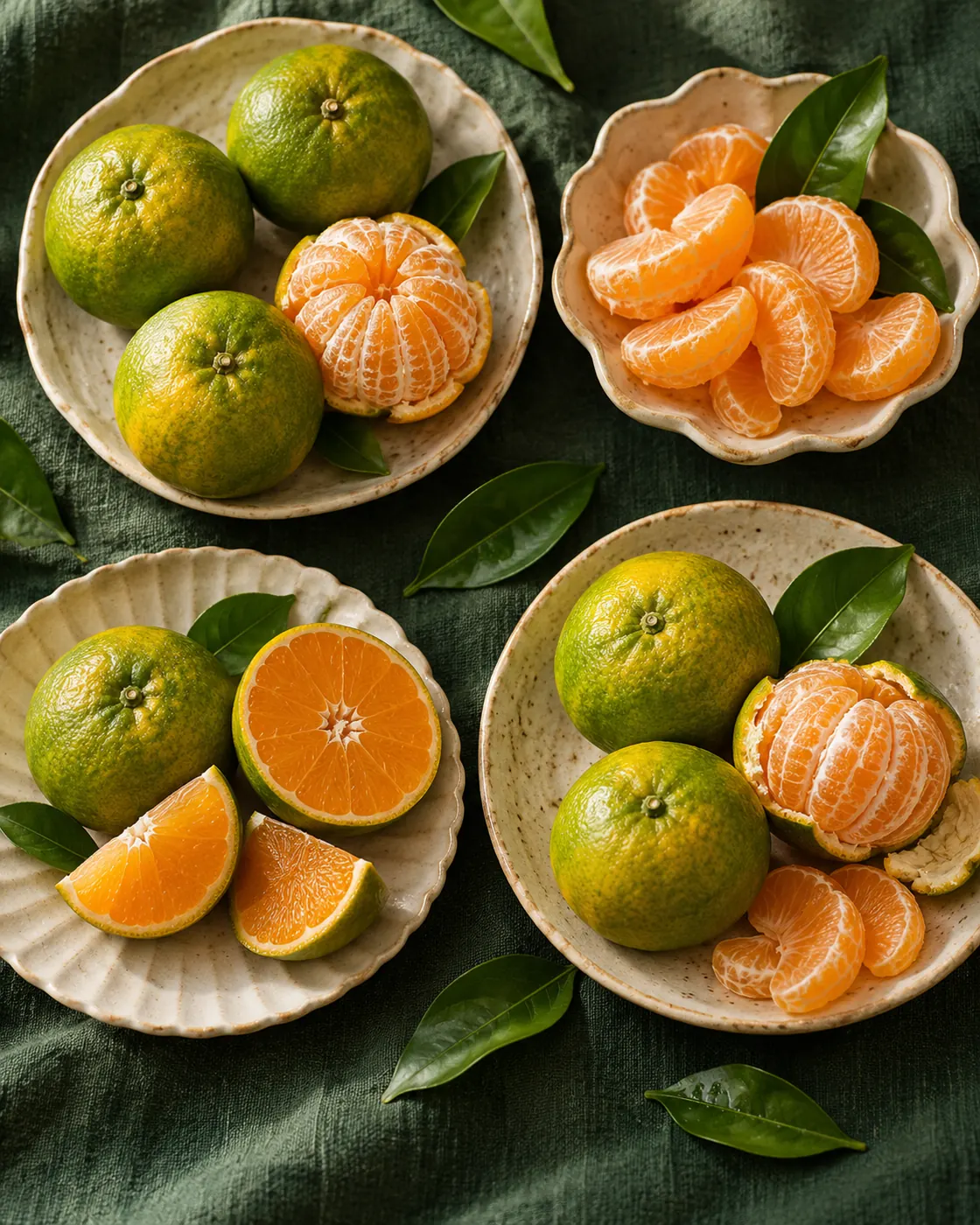
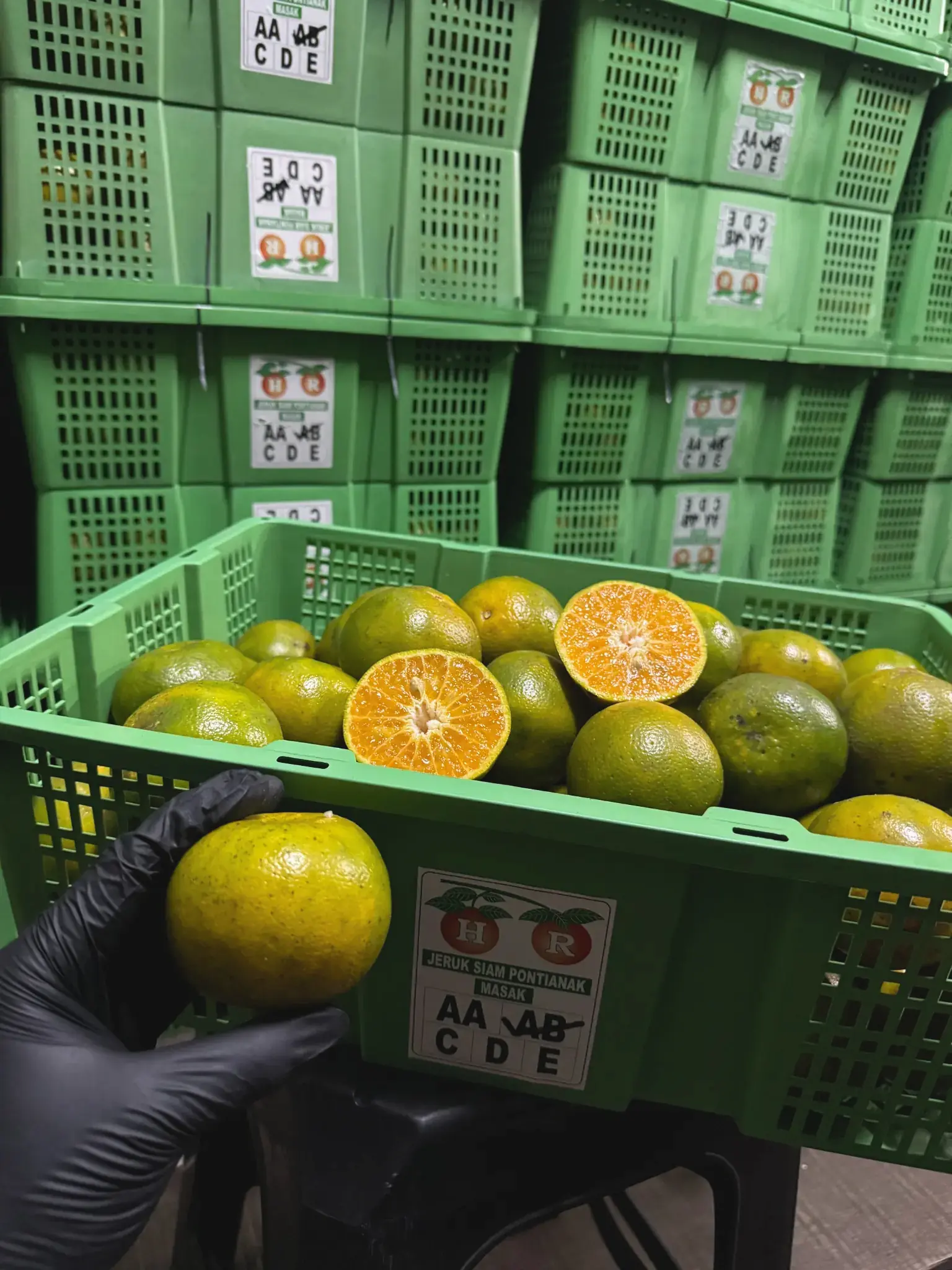
The peel can be green to yellowish green with orange pulp. Because the full range of grades is available, buyers can choose large sizes for display or smaller, more economical sizes for juicing. A guide to choosing for a drinks business is in Juicing oranges for business.
Jeruk Siam Masak (10 kg basket)
Siam Masak is a versatile choice with a ripe character, for home stock, juice, and the daily needs of restaurants. Grades in the catalog: AB, C, and D.
A 10 kg basket is easier for a household or a small business to use up than a 15 kg basket.
Madu Super (10 kg basket)
Madu Super is often called the Madu orange. The Jerpon HR catalog describes it as sweet and juicy, suited to special servings, and suggests it for gift hampers, restaurants, and hotels. Grades in the catalog: AA, AB, C, and D.
If the fruit will be served whole or arranged in a gift parcel, grade AA or AB fits better because they are the two largest sizes.
Madu Susu (10 kg basket)
The catalog describes Madu Susu as a light, refreshing orange that is pleasant to eat fresh with the family. The catalog suggests it for homes, serving, hotels, and restaurants. Grades in the catalog: AA, AB, and C.
All from West Kalimantan
All four varieties are handled through the same chain. The fruit is harvested in West Kalimantan orchards, sorted and chilled at the HR facility in Pontianak, shipped by sea to Jakarta, then checked again and stabilized in the HR cold store in West Jakarta before delivery.
The Siam tangerine growing area of West Kalimantan is in Tebas District, Sambas Regency. That is why Pontianak oranges and Sambas oranges are often named for the same supply chain. Coverage of National Health Day in Sambas also introduced the three orange varieties of the area: Siam, Madu, and Madu Susu (Tempo).
What is the difference between Pontianak oranges and Medan oranges?
Pontianak oranges come from Tebas, Sambas Regency, West Kalimantan, while Medan oranges usually means oranges from Tanah Karo or Berastagi, North Sumatra. Siam Pontianak is known for a yellowish-green peel and a smooth texture; Karo oranges can be more orange when grown in the highlands. Both are Siam tangerines, so taste still depends on the batch.
| Pontianak orange | Medan orange (Karo) | |
|---|---|---|
| Origin | Tebas, Sambas, West Kalimantan | Tanah Karo, North Sumatra |
| Peel color | green to yellowish green | can be more orange in the highlands |
| Taste | sweet and refreshing, depends on the batch | sweet, depends on the batch |
No single orange suits every need. A comparison of Indonesian and world citrus, with sources, is in the Citrus Encyclopedia.
Choosing in three questions
- What for? Juiced in large amounts: Jeruk Siam 15 kg or Siam Masak. Eaten fresh: Madu Susu or Siam Masak. Served or made into gift parcels: Madu Super.
- How much? One 10 kg basket is lighter for a home. Businesses with daily volume can choose the 15 kg basket. Reseller orders start from 5 baskets.
- What size? Choose the grade once you know the use. Large sizes for display, small sizes for juicing volume.
Send your answers to Hera on WhatsApp at 0813-6637-8484, or put them together first in Jerpon Market. Hera confirms the varieties and grades available that day and their prices. How prices are set is explained in Pontianak orange prices.
QUICK ANSWERS
What buyers ask most.
Which oranges does Jerpon HR sell?
Jerpon HR sells four kinds of Pontianak oranges from West Kalimantan: Jeruk Siam in 15 kg baskets, and Jeruk Siam Masak, Madu Super, and Madu Susu in 10 kg baskets. Available grades differ by variety and stock follows the harvest, so Hera confirms the options of the day on WhatsApp.
What is the difference between Jeruk Siam and Madu oranges at Jerpon HR?
Jeruk Siam is sold in 15 kg baskets with the widest range of grades (AA to E) and suits juice, markets, and resellers. Madu Super is sold in 10 kg baskets, is described as sweet and juicy, and is suggested for gift hampers, restaurants, and hotels.
What is Madu Susu?
Madu Susu is one of the Jerpon HR options, in 10 kg baskets with grades AA, AB, and C. The catalog describes it as light and refreshing, pleasant to eat fresh.
Which variety is most suitable for juice?
Jeruk Siam 15 kg has the widest choice of grades for business and juicing. The catalog also marks Siam Masak 10 kg for juice.
Is Madu Super the same as the Madu orange?
Yes. In the Jerpon HR catalog, Madu Super is also called the Madu orange.
Are all varieties available every day?
Not always. Stock of each variety and grade follows the harvest and the sorting. Hera confirms what is available that day on WhatsApp.
JERPON HR • SINCE 1998