 JERPON HRCITRUS KNOWLEDGE DESKChoose oranges →
CITRUS ATLAS • INDONESIA & THE WORLD
No single orange suits every need.
The Jerpon HR Citrus Encyclopedia is a sourced summary of Indonesian and world citrus varieties, including where Jeruk Siam Pontianak from Tebas, Sambas Regency, fits in, and why these oranges are often chosen for juicing.
Every region brings a different climate, varieties, taste, scent, color, size, and eating habits. This page places Pontianak oranges honestly among the wealth of Indonesian and world citrus.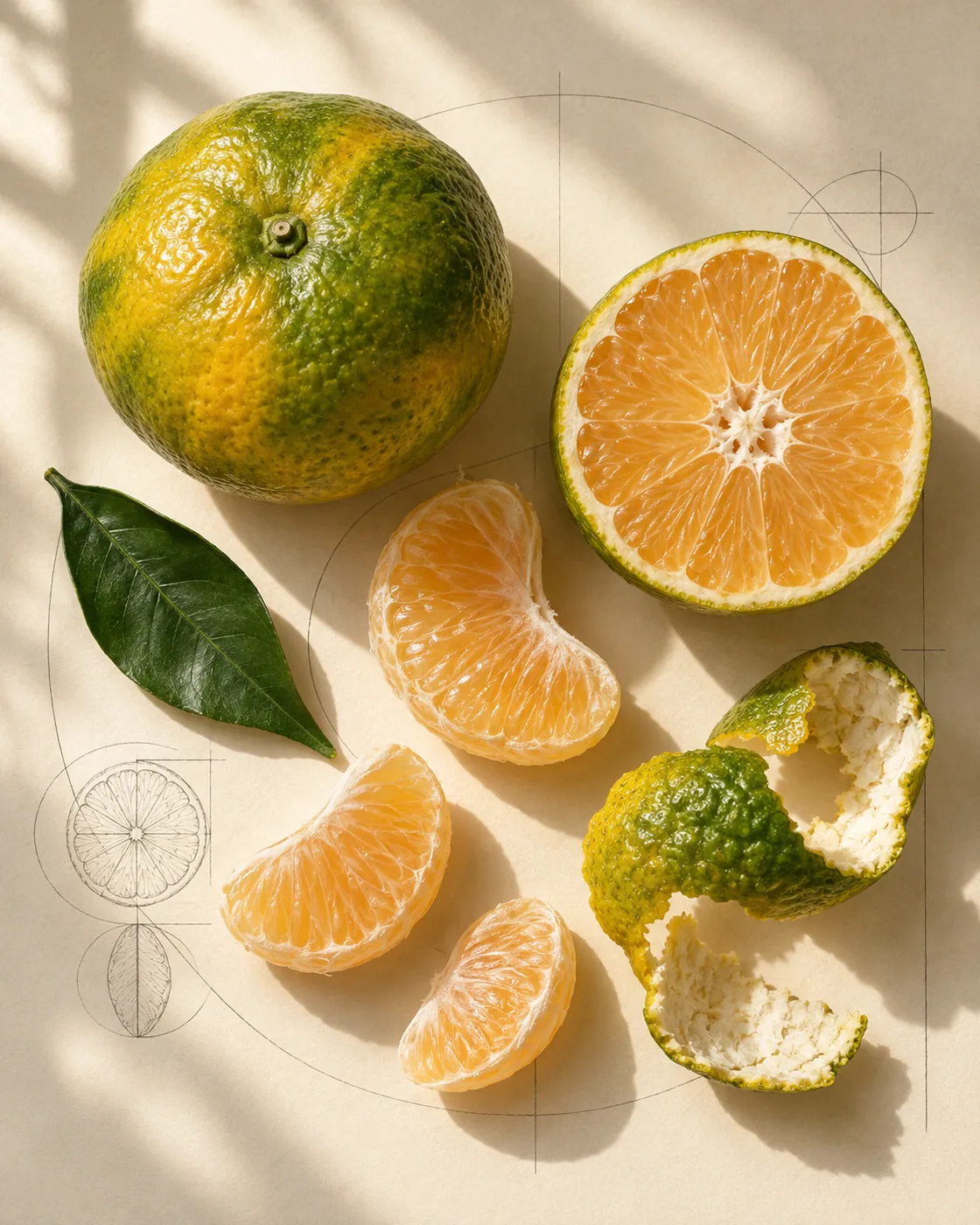
READ FIRST
Region names, varieties, and sales practices often get mixed up.
“Pontianak orange” is known by variety as Siam Pontianak, while its growing and production center is firmly in Tebas, Sambas Regency. That is why the terms Pontianak and Sambas often refer to the same fruit chain, but in different contexts: one is known as a variety or market name, the other as the growing region.
Indonesia has hundreds of accessions. The list below covers the main varieties and commercial groups. It does not cover every accession that has ever existed.
INDONESIAN CITRUS
Every region has something to be proud of.
Character can change with orchard location, weather, ripeness, handling, and season. Use this table as a general guide. The taste of each batch can still differ.| Variety / group | Origin / growing center | Main characters | Makes the most sense for |
|---|---|---|---|
| Siam Pontianak | Tebas, Sambas • West Kalimantan | Yellowish green, sweet, fine texture, orange flesh; adapted to lowlands. | Everyday eating, juicing, juice drinks, and bulk business use. |
| Keprok Terigas | Sambas • West Kalimantan | Sweet and fresh, distinctive aroma, reddish-yellow flesh, fine texture; recorded at about 11° Brix. | Eating fresh and aromatic dishes. |
| Siam Madu | Karo • North Sumatra | Known for sweetness; the peel can be more orange in highlands and yellowish green in lowlands. | Eating fresh and the sweet fruit market. |
| Keprok Brastepu | Karo • North Sumatra | Sweet and fresh, yellow-orange peel, orange flesh; a highland variety. | Table fruit and premium local dishes. |
| Siam Gunung Omeh | Lima Puluh Kota • West Sumatra | Tends to be larger than common Siam, sweet, and can turn orange in the highlands. | Eating fresh and table fruit. |
| Keprok RGL | Lebong • Bengkulu | Yellow color, a fresh-sweet taste, and known for flowering all year round. | Table fruit and regional supply development. |
| Keprok Batu 55 | Batu • East Java | One of the leading highland keprok varieties; keprok types are generally easy to peel and sweet with slight acidity. | Eating fresh and as a regional gift. |
| Keprok Garut | Garut • West Java | A leading Indonesian mandarin variety with a highland growing identity. | Table fruit and a local fruit identity of West Java. |
| Keprok SoE | South Central Timor • NTT | A leading keprok variety that represents the dry, highland character of Nusa Tenggara. | Table fruit and a regional specialty. |
| Keprok Gayo | Gayo Highlands • Aceh | Part of Indonesia's highland mandarin heritage, with a fresh sweet-sour character. | Eating fresh and local fruit markets. |
| Siam Kintamani & Keprok Tejakula | Bali | Represents two growing environments: highland Siam and lowland keprok. | Table fruit, tourist markets, and regional identity. |
| Pamelo Pangkep / Magetan | South Sulawesi / East Java | Large fruit, thick peel, white to red flesh; pomelo keeps relatively well. | Eating fresh, candied fruit, jellies, and processed products. |
WORLD MAP
Each type of citrus is used differently from country to country.
FAO says citrus is grown in more than 140 countries. This summary highlights the groups most familiar in trade, fresh eating, juice, and cooking.Valencia (Citrus sinensis)
A key benchmark for the world juice industry: balanced taste and use in large-scale processing.
Navel & clementine
Navel is strong as a table fruit; clementine is popular because it is easy to peel and eat.
Blood orange
Known for its red pigment, distinctive scent, and eye-catching look in dishes and drinks.
Mandarin & pomelo
Mandarin diversity is very wide; pomelo brings large fruit and firm segments.
Satsuma, yuzu, sudachi
Satsuma stands out as an easy fruit; yuzu and sudachi stand out for culinary aroma.
Sweet orange & clementine
A growing center with a subtropical climate, harvest seasons, and a strong table fruit character.
Limes and Citrus sinensis
Lime matters for cooking and drinks; sweet orange supplies fresh eating and juice.
Mandarin, lime, pomelo
The tropical climate shapes skins that are not always orange, strong aromas, and a wide range of culinary uses.
THE BIG QUESTION
Why do juicing orange choices in Indonesia so often land on Pontianak or Sambas?
That choice is shaped by the fruit's character and the supply chain.- 01A familiar taste
Siam Pontianak is known for being sweet, with yellowish-green skin, a smooth texture, and orange flesh. This taste suits everyday drinks.
- 02A real production center
Open Data from Sambas Regency records Siam/keprok orange production of about 1.03 million quintals in 2025. The figure shows how large this production center is.
- 03Grades give flexibility
Fruit for eating whole can be a large size, while juicing businesses can consider a more economical size. Choosing the size can keep costs in line with need. A grade does not automatically indicate quality.
- 04Known in the market
The term “Pontianak juicing orange” is widely used by traders and retailers. This market habit helps shoppers and businesses quickly recognize what the fruit is for.
- 05Close to local taste
Valencia is widely used in the worldwide juice industry. Siam Pontianak is closer to the taste, size, supply, and distribution routes of the Indonesian market.
WHY JERPON HR?
Variety sets the fruit's potential. Handling affects its condition on arrival.
HONEST ANSWER
Questions that often confuse buyers.
Does a green peel mean a Pontianak orange is unripe?
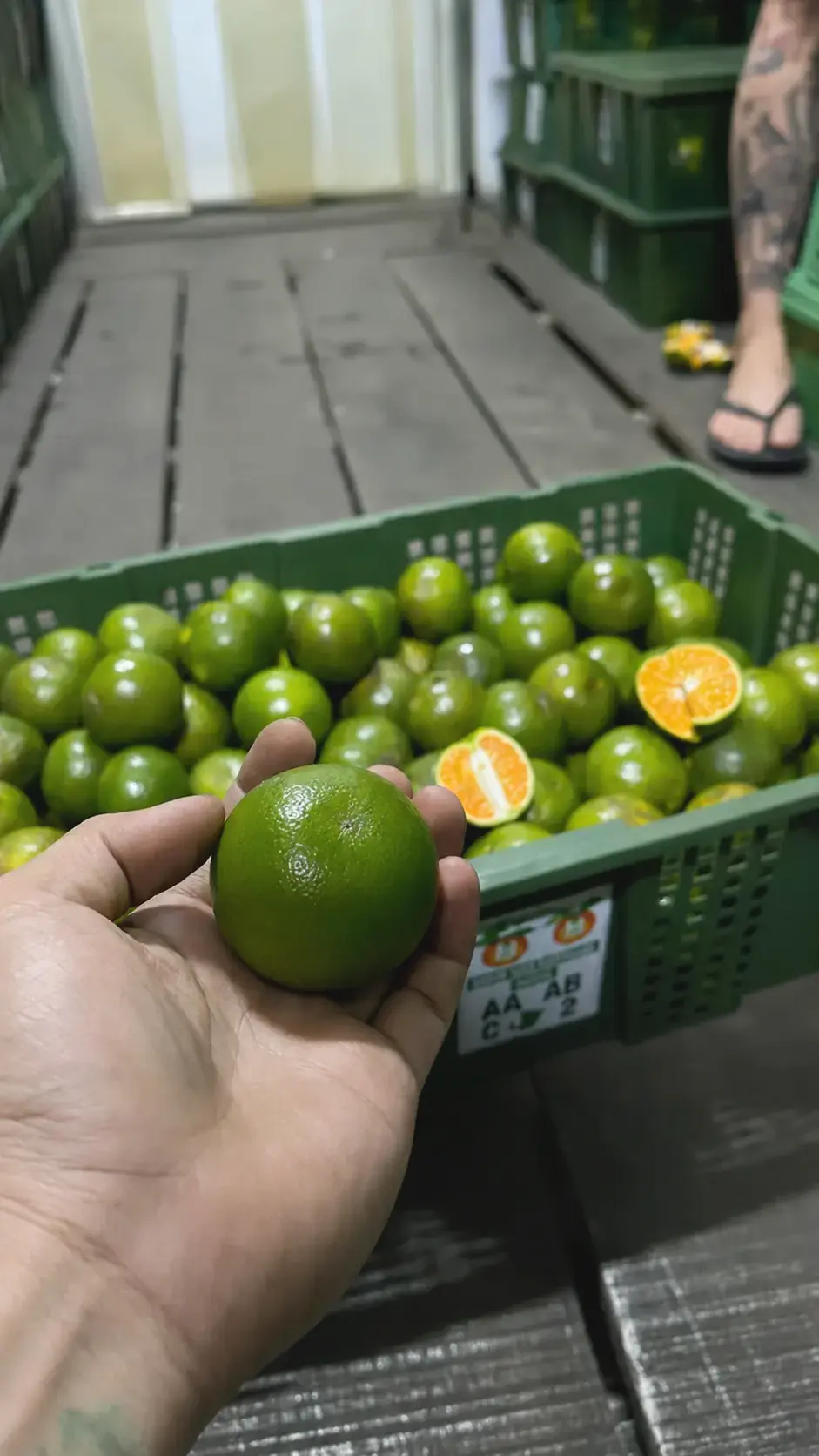
Not always. Skin color depends on the variety and growing conditions. In lowland Siam oranges, green or yellowish-green skin can come with flesh that is already orange and a ripe taste.
Is grade AA always sweeter than grade D?
No. At Jerpon HR, grades mainly separate size. Taste still depends on the variety, season, ripeness, orchard, and the sorting results of each harvest.
Why are Pontianak/Sambas oranges often sold as juicing oranges?
The sweet, fresh character, orange flesh, supply from the Sambas growing center, and the choice of grades and quantities make it practical for homes and businesses alike. This reflects market habit. Other varieties can be juiced too.
Are Pontianak oranges better than Valencia?
The needs differ. Valencia is a strong reference for the worldwide juice industry, while Siam Pontianak is close to Indonesian local tastes, supply, sizes, and distribution routes. The right choice depends on taste, cost, quantity, season, and purpose.
What makes Jeruk Pontianak HR different?
HR is the business name. Its added value comes from experience since 1998, grade selection, sorting, temperature handling, repeated checks, and stock and delivery updates through Hera.
SOURCES & LIMITS
Information should be verifiable.
Fruit character falls within a range and can differ in each basket. The sources below are used for taxonomy, varieties, growing centers, and market context; HR operational claims come from Jerpon HR's own process.- BRMP/BSIP Jestro: 274 accessions and Indonesian citrus groups
- Ministry of Agriculture (Kementerian Pertanian): Indonesian citrus and variety distribution
- BRMP Jestro: traits of Siam Pontianak and Siam citrus
- BRMP Jestro: traits of Keprok Terigas
- Open Data Sambas: fruit and vegetable production 2025
- FAO: citrus markets and trade
- University of California Riverside: Citrus Variety Collection
ALREADY KNOW WHAT YOU NEED?